RFQ-to-Quote — custom build for manufacturing clients
Multimodal prototype that cuts a 30–60-minute estimator workflow to under one minute.
Founder / built end-to-end · 2026
- PROBLEM
- CPQ software can't read drawings, PDFs, or email RFQs, leaving estimators to extract specifications manually.
- BUILT
- A multimodal prototype that reads technical drawings and RFQ emails, extracts specifications, and drafts customer clarifications.
- OUTCOME
- 30–60 min estimator workflow · < 1 min prototype workflow · 3 prospective-company demos
- STATUS
- building
Custom-product businesses — print, packaging, signage, configured goods — quote before they sell. The quote starts as a messy PDF, a technical drawing, an email thread. CPQ software can’t read any of that: it handles structured catalogs, not drawings. I’m building the layer that can: a vision-model system that reads the RFQ as it actually arrives and drafts a line-item quote for an estimator to review and send.
What it reads
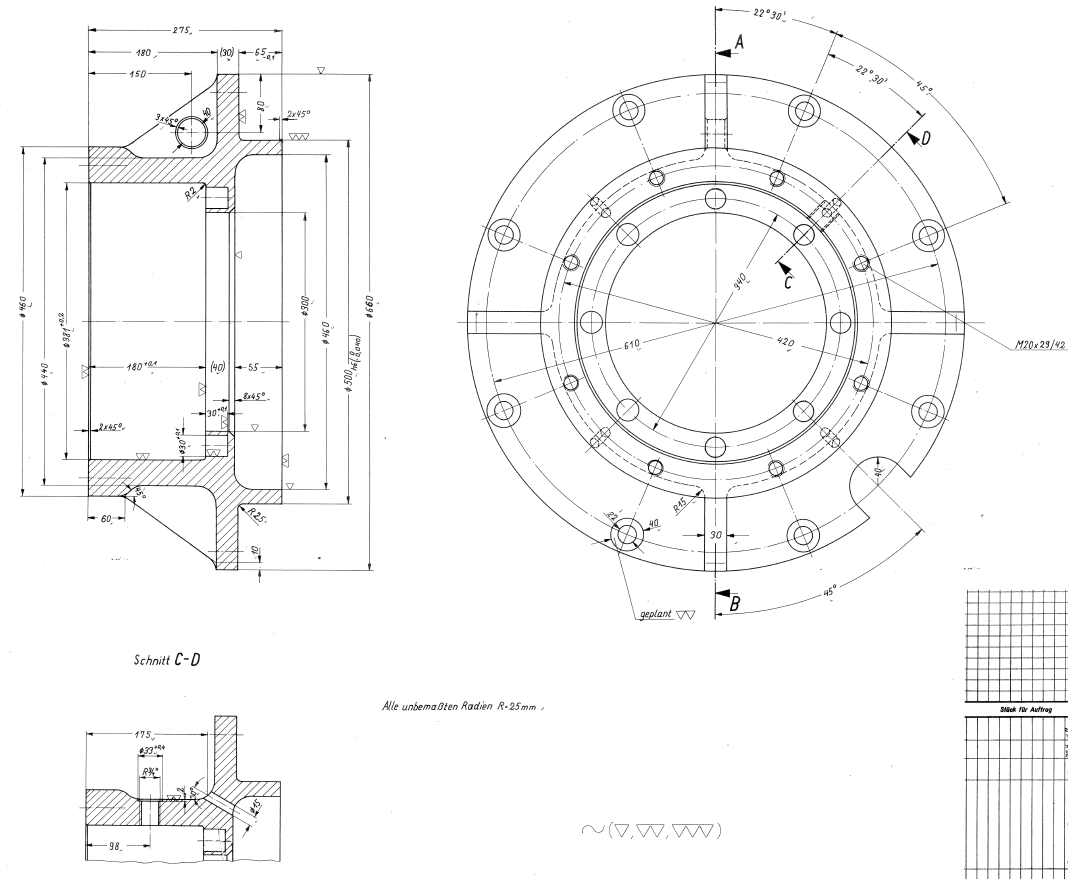
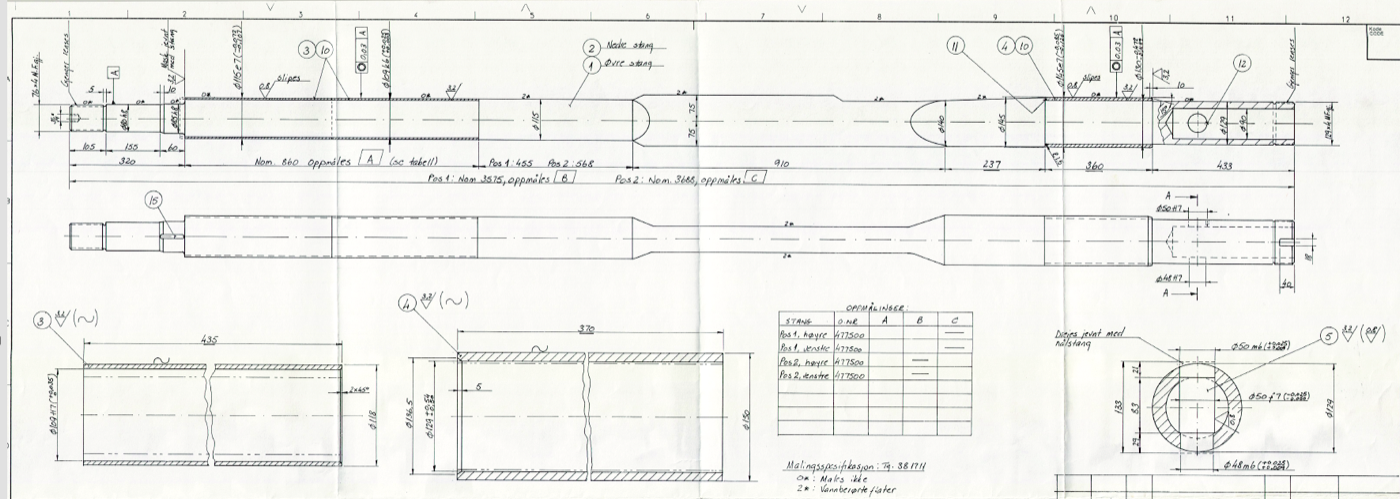
The inputs are rarely clean. A drawing can be sharp CAD output or a 40-year-old hand-marked scan, in German or Norwegian, with the detail that decides the price squeezed into a margin. The system reads both the same way.
How it works
Drop in a drawing — PDF or image — and the system returns the full specification in seconds, cross-references the customer’s email, and flags exactly what a senior estimator would question.
- Drawing extraction. It reads geometry, key dimensions, materials, tolerances, surface finishes, thread specs and bolt-hole patterns — from clean CAD to decades-old hand-marked scans — and returns a structured specification as part of the under-one-minute workflow.
- Context from the RFQ email. The customer’s email is parsed alongside the drawing — quantities, delivery dates, material preferences — and cross-referenced against what the drawing actually shows, so nothing falls through the gap between the two.
- Ambiguity detection. It flags what a senior estimator would catch — missing quantities, contradictory specs, superseded standards, the judgment calls that need a human — each categorised by why it matters.
- Clarification email, drafted. Where the customer needs to answer a question, the system drafts the email — in the customer’s own language and the shop’s voice, ready to send with a light edit.
- Quote assembly. Part details flow straight into the shop’s own quote template — its layout, its branding — pre-filled from the extraction and ready for pricing and export.
What the prototype proved
The prototype reduced a 30–60-minute estimator workflow to under one minute. An experienced estimator validated the output, and I demonstrated the working prototype to three prospective companies.
Status
In build, working with real RFQ data after validation and three prospective company demonstrations. If you run a quote-first business and want to see it on your own RFQs, email me.